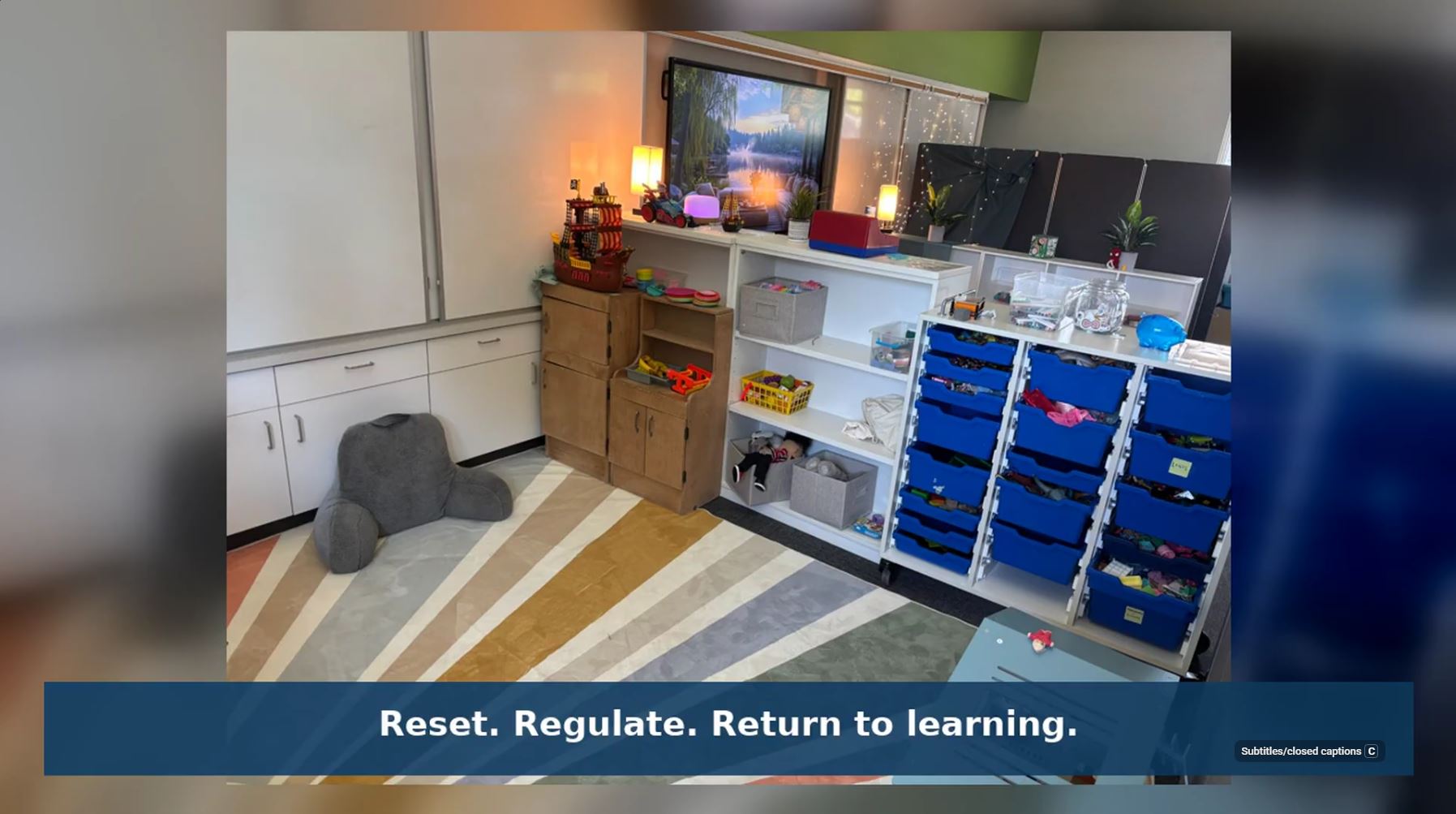
Wellness Centers
A Wellness Center is a dedicated space in a school where students can go to reset, refocus, and get back to learning. Think of it as a pit stop for the brain and body — a calm, supportive environment designed to help students manage big feelings before those feelings get in the way of their day.
Reset, Regulate and Return to Learning
Schools use Wellness Centers because regulation comes before learning. A student who is anxious, overwhelmed, frustrated, or shut down isn't in a place to absorb a lesson, participate in class, or resolve a conflict with a peer. Wellness Centers give students a structured way to work through those moments — with support — instead of losing valuable instructional time or escalating a difficult moment further.
When students have a reliable way to regulate, they spend more time in class, engage more fully, and build lifelong skills in self-management. Wellness Centers aren't a reward or a punishment — they're a proactive tool that helps students succeed.
Regulation Matters for Learning
A dysregulated brain cannot learn effectively. When a student is in a heightened emotional state — whether that's anxiety, anger, or shutdown — the parts of the brain responsible for reasoning, memory, and decision-making take a back seat to the parts responsible for survival.
Before a student can focus, participate, or problem-solve, they need to feel safe and settled.
Many students carry stress or past experiences that shape how they respond to challenges at school.
Students learn to recognize their own signs of stress and use tools independently
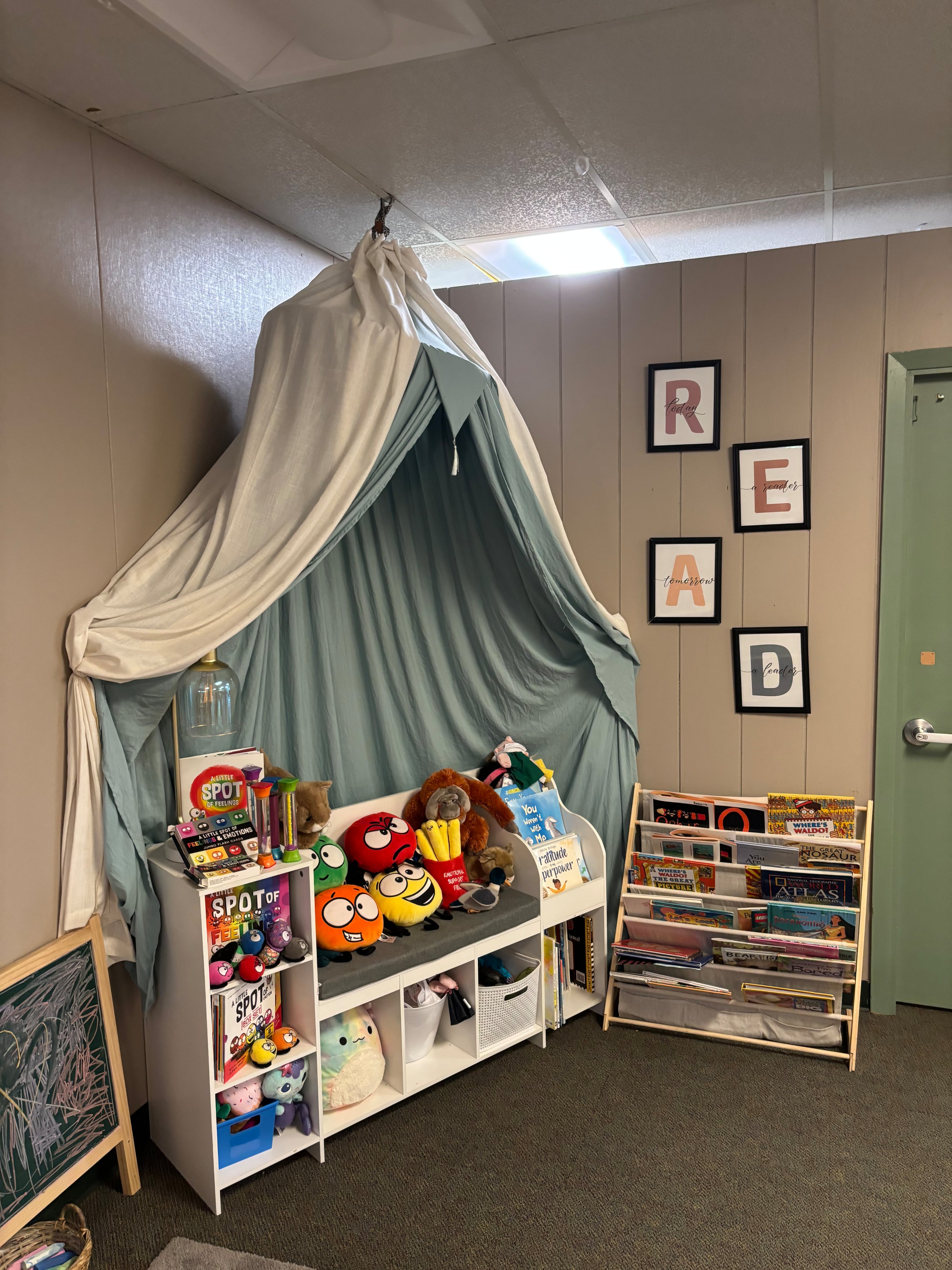
What a Wellness Center Looks Like
Every Wellness Center looks a little different — because every school community is different. Some are tucked into a quiet corner of a classroom. Others are full dedicated rooms with multiple zones for different needs.
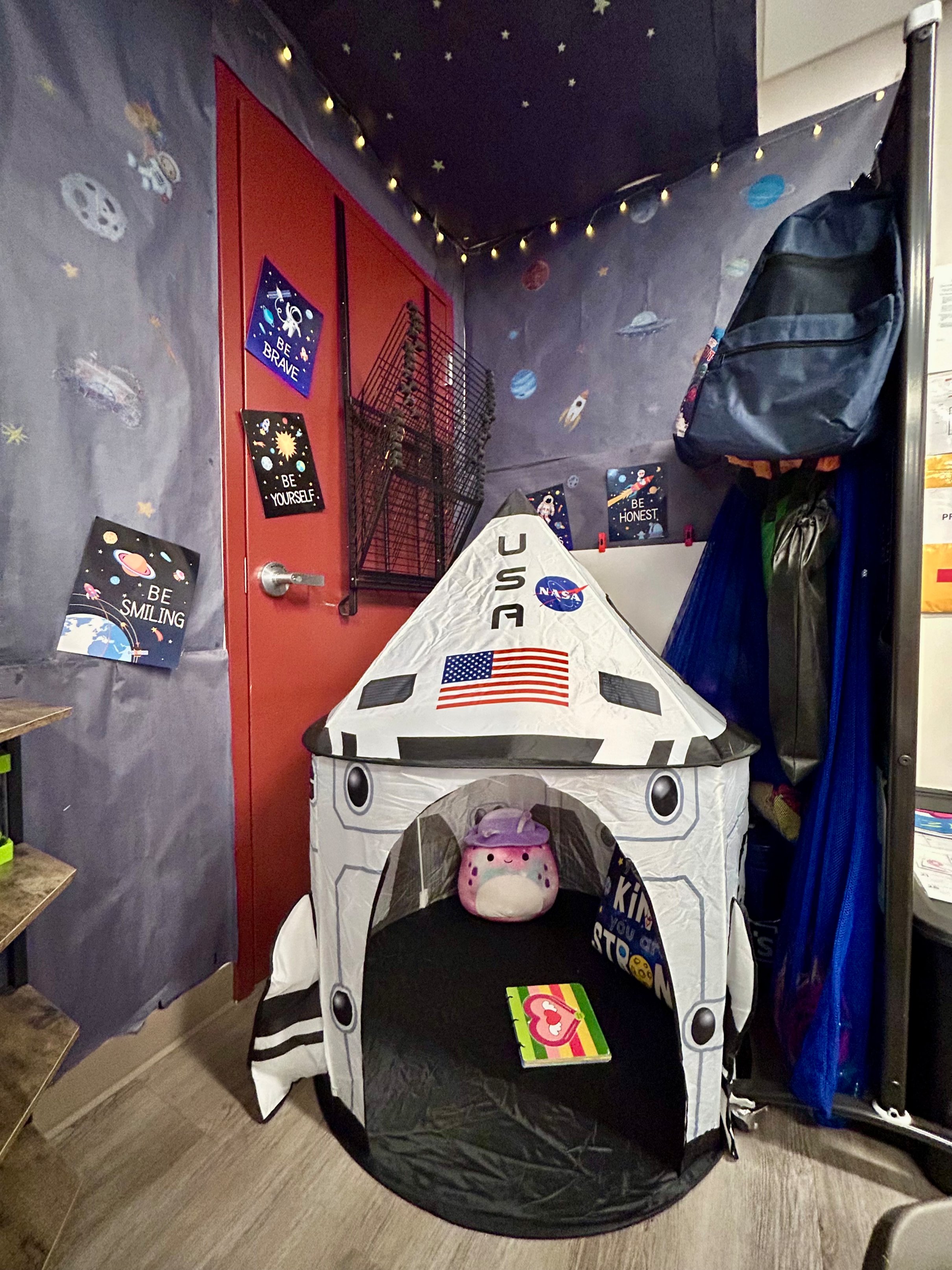
Cozy Corner
A soft, low-stimulation space with cushions, dim lighting, and calming visuals. Ideal for younger students or brief resets.
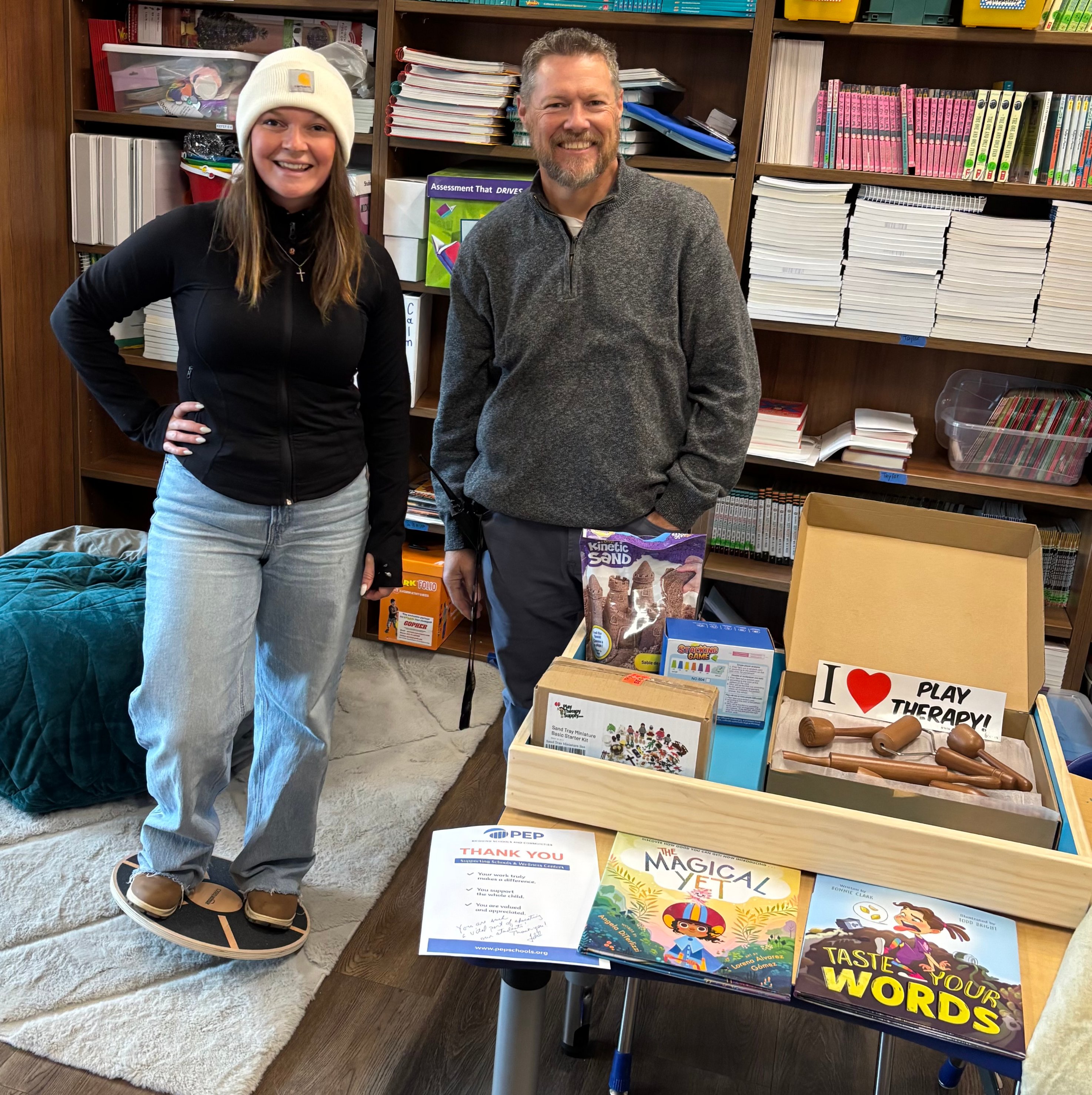
Active Regulation Space
Areas that use movement — like mini trampolines or balance tools — to help students release energy and re-center.
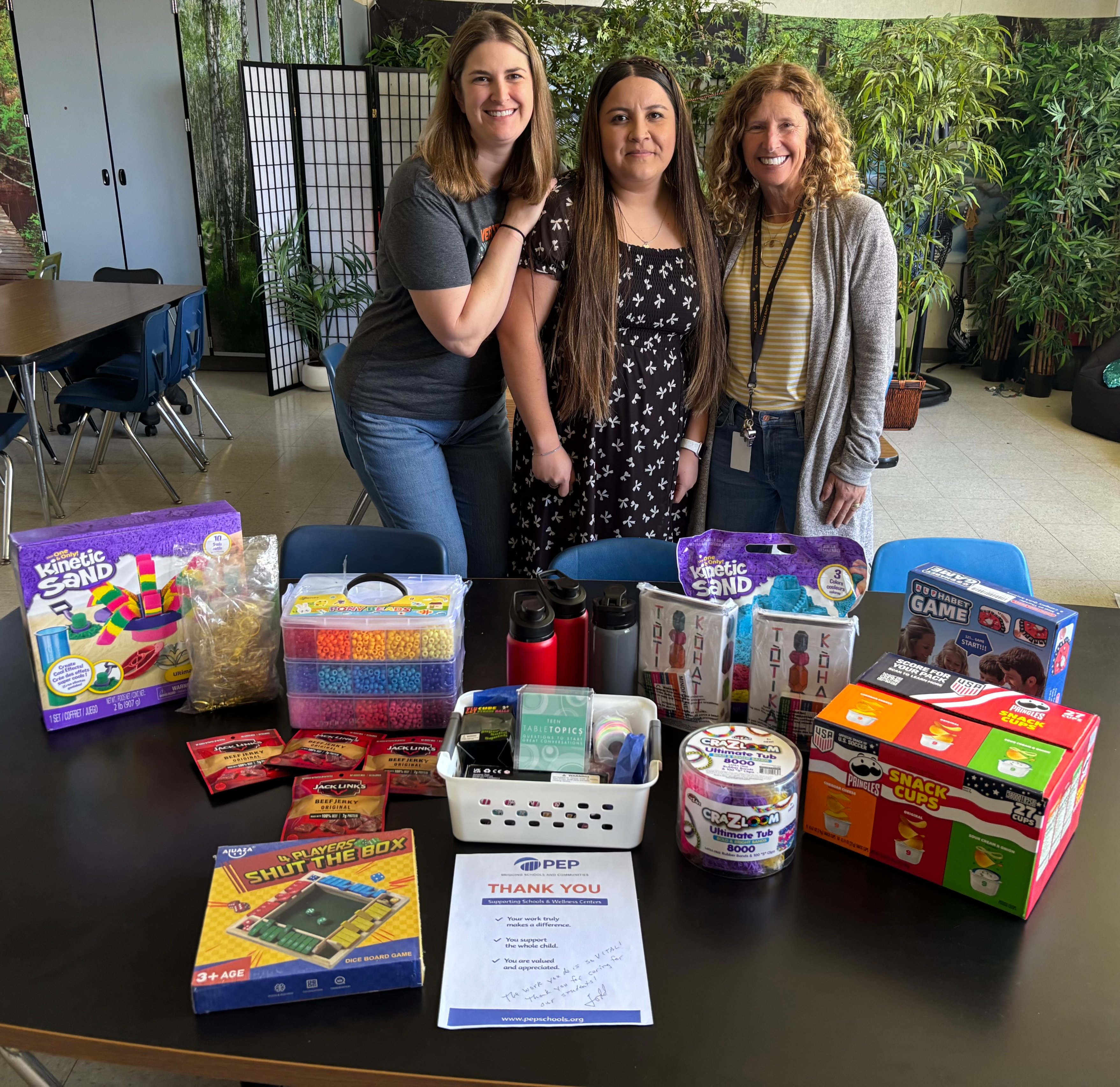
Sensory Tool Station
A stocked space with hands-on tools like fidgets, putty, and textured objects that support focus and calm.
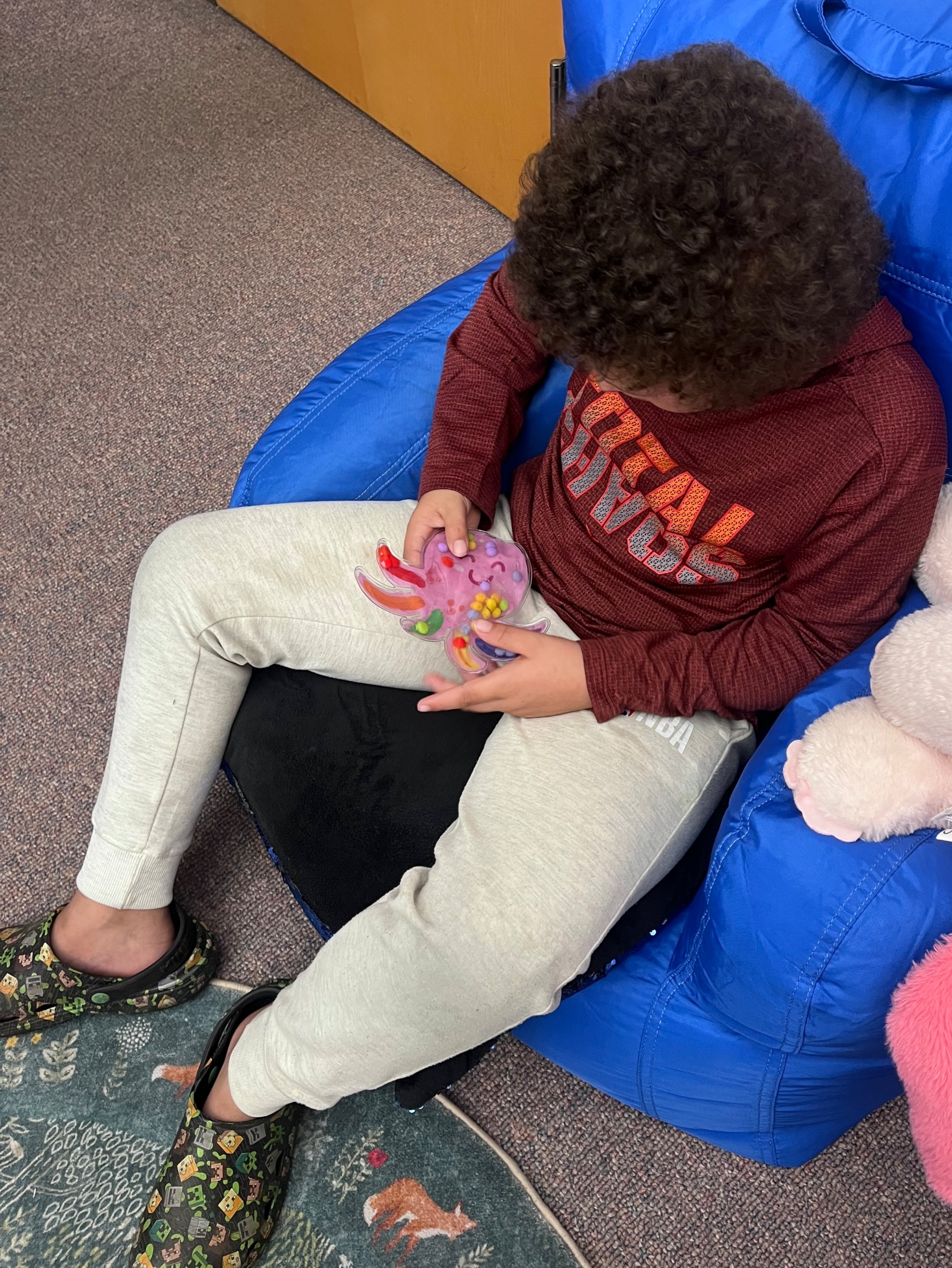
Calm Reflection Area
A quiet spot for journaling, breathing exercises, or one-on-one conversations with staff.
What Students Actually Do
A Wellness Center isn't just a space — it's a set of tools students learn to use. Here's a closer look at the kinds of activities students engage in, organized by purpose.
Regulation Activities
Simple, guided practices that help students calm their body and mind.
- Breathing exercises
- Quiet time
- Weighted lap pads
Sensory Activities
Hands-on tools that provide gentle, focusing input.
- Fidgets
- Therapy putty
- Mini trampoline
Creative Regulation
Low-pressure, expressive outlets for processing emotions.
- Coloring
- Journaling
- Art
Problem Solving
Structured support for working through challenges.
- Talking with staff
- Conflict resolution
- Reflection sheets